Navigating Intimacy: When to Seek Guidance from a Sex Therapist or Sexuality Professional

Introduction:

In the complex realm of human relationships and sexuality, challenges can arise that may impact one’s well-being, satisfaction, and connection with others. Recognizing when it’s time to seek guidance from a sex therapist or sexuality professional is a crucial step toward fostering a healthier and more fulfilling intimate life, whether you’re in a relationship or single. In this article, we explore the signs that may indicate the need for professional assistance and how seeking support can contribute to personal growth and improved sexual well-being.

  1. Communication Breakdown:

Effective communication is the cornerstone of any healthy relationship, and this extends to matters of intimacy. If you find that communication about sexual needs, desires, or concerns has become challenging or strained, it may be an opportune time to consult a sex therapist. They can help facilitate open dialogue, providing a safe space for both individuals to express themselves and work towards shared understanding.

  1. Desire Discrepancies:

Divergent levels of sexual desire between partners can be a common issue. Whether it’s a difference in frequency or intensity, persistent desire discrepancies may lead to frustration, resentment, or feelings of rejection. A sex therapist can assist in exploring the root causes of these differences and provide guidance on fostering compromise, understanding, and mutual satisfaction.

  1. Past Trauma or Sexual Issues:

Individuals who have experienced past trauma or struggle with sexual issues may find it beneficial to consult with a sex therapist. Trauma, such as assault or abuse, can significantly impact one’s relationship with intimacy. Sex therapists are trained to address these sensitive topics with empathy and provide tools for healing and reclaiming a positive sexual identity.

  1. Exploring Sexual Identity or Preferences:

For those who are single and exploring their sexual identity or preferences, a sexuality professional can offer valuable insights and guidance. Whether navigating questions about sexual orientation, gender identity, or personal preferences, seeking the expertise of a professional can provide clarity, support, and a safe space for self-exploration.

  1. Erectile Dysfunction or Sexual Dysfunction:

Physical challenges such as erectile dysfunction or sexual dysfunction can have profound effects on both individuals and couples. Seeking the expertise of a sex therapist or a healthcare professional can help identify potential causes and explore treatment options. They can also assist in addressing the emotional and relational impact of these challenges.

  1. Loss of Intimacy After Major Life Events:

Major life events, such as the birth of a child, illness, or the loss of a loved one, can disrupt the intimacy in a relationship. If you or your partner are experiencing challenges in reconnecting intimately after such events, a sex therapist can provide strategies for rebuilding intimacy, fostering emotional connection, and navigating the changes that life brings.

  1. Unresolved Relationship Issues:

Sexuality is intricately connected to overall relationship health. If a relationship is marred by unresolved issues, conflicts, or communication breakdowns, these challenges can manifest in the bedroom. Seeking the guidance of a sex therapist can address not only the sexual aspects but also the broader relationship dynamics, promoting overall well-being.

  1. Navigating Sexual Well-Being as a Single Individual:

For individuals who are single, consulting with a sexuality professional can be beneficial for exploring personal desires, building self-confidence, and addressing any concerns related to sexual health. A sexuality professional can provide guidance on cultivating a positive relationship with one’s sexuality and navigating the complexities of dating and intimacy.

Conclusion:

Knowing when to seek guidance from a sex therapist or sexuality professional is a personal decision that varies from individual to individual. Whether you are in a relationship facing challenges or navigating your own journey as a single person, recognizing the signs that intervention may be helpful is a proactive step toward fostering a healthier and more satisfying intimate life. Seeking professional support can empower individuals to navigate the complexities of human sexuality, promote self-discovery, and enhance overall well-being.

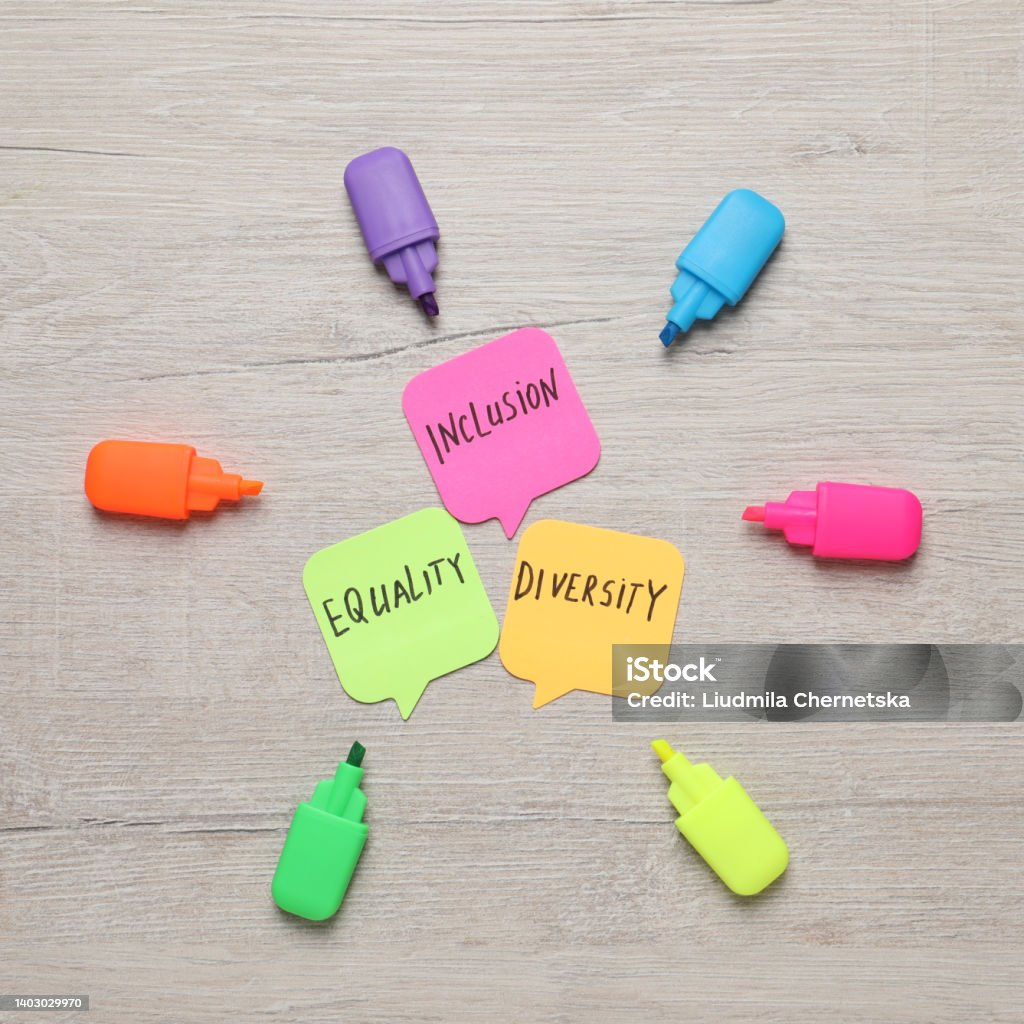
Embracing Inclusivity: The Crucial Importance of Understanding Diverse Sexual Anatomy

In the pursuit of intimate relationships, knowledge is undeniably empowering. Understanding the diverse sexual anatomy of individuals, including those who identify as LGBTQ+ and non-binary, is a fundamental aspect of fostering a healthy, consensual, and satisfying connection. In this article, we delve into the significance of comprehending the diverse spectrum of sexual anatomy, exploring how knowledge contributes to inclusivity, communication, and the overall well-being of individuals in their personal relationships.

  1. Fostering Communication Across Identities:

A foundational pillar of any successful relationship is effective communication. Understanding the diverse sexual anatomy of individuals, including those who identify as LGBTQ+ or non-binary, opens up a channel for open and honest dialogue about desires, preferences, and boundaries (Mark, Janssen, Milhausen, & Clift, 2011). When partners share a mutual understanding of the vast array of sexual identities and expressions, they are better equipped to communicate their needs and ensure a consensual and pleasurable experience for all involved.

  1. Promoting Inclusive Body Positivity:

An understanding of diverse sexual anatomy goes hand in hand with fostering inclusive body positivity. Knowledge dispels myths and misconceptions, allowing individuals of all genders and sexual orientations to appreciate the diversity of human bodies (Herbenick et al., 2015). Embracing the uniqueness of one’s own anatomy and that of a partner, regardless of gender identity or sexual orientation, contributes to a positive self-image and creates an environment where all individuals feel accepted and celebrated.

  1. Enhancing Pleasure and Satisfaction for All:

Sexual satisfaction is closely tied to an understanding of diverse sexual anatomy. Knowledge of erogenous zones, arousal patterns, and the intricacies of sexual response across various identities can significantly enhance the overall pleasure experienced by individuals and their partners (Laan & Both, 2008). A deeper understanding of the diverse body’s responses contributes to a more satisfying and mutually gratifying intimate experience for everyone.

  1. Navigating Inclusive Sexual Health:

Understanding diverse sexual anatomy is integral to maintaining inclusive sexual health. Recognizing signs of discomfort, addressing potential health concerns, and practicing safe sex across all identities are crucial components of a responsible and informed sexual relationship (World Health Organization, 2006). Knowledge empowers individuals of all gender identities and sexual orientations to prioritize their well-being and that of their partners.

  1. Empowering Consent and Boundaries Regardless of Identity:

Informed consent is a cornerstone of ethical and consensual sexual relationships across all identities. Understanding the diverse sexual anatomy of individuals enables clear communication regarding boundaries and preferences, ensuring that all intimate encounters are based on mutual agreement and respect, irrespective of gender identity or sexual orientation (American Psychological Association, 2017). This empowers individuals of all identities to make informed choices about their bodies and actively participate in creating a consensual and enjoyable sexual environment.

  1. Cultivating Emotional Intimacy Across Identities:

Knowledge of diverse sexual anatomy deepens the emotional connection between partners of all identities. Exploring each other’s bodies with awareness and respect, regardless of gender identity or sexual orientation, builds trust and intimacy, creating a shared experience that goes beyond the physical (Markman, Stanley, & Blumberg, 2010). A profound understanding of diverse sexual anatomy fosters emotional closeness and reinforces the connection between partners of all identities.

  1. Educating Future Generations Inclusively:

Understanding diverse sexual anatomy is not only crucial for current relationships but also for educating future generations inclusively. Open conversations about sexual health and anatomy, including discussions that embrace the spectrum of gender identities and sexual orientations, contribute to a culture of informed and responsible sexual behavior, reducing stigma and fostering a healthier approach to sexuality (United Nations Educational, Scientific and Cultural Organization, 2018).

Conclusion:

In the intricate dance of intimacy, knowledge of diverse sexual anatomy emerges as a guiding light, illuminating the path toward healthier, more fulfilling relationships across all gender identities and sexual orientations. From enhancing communication and promoting inclusive body positivity to empowering consent and fostering emotional intimacy, understanding diverse sexual anatomy is a transformative force for individuals of all identities. Embracing this knowledge not only enriches the present but also paves the way for a more informed and empowered future where individuals of all gender identities and sexual orientations navigate their intimate connections with understanding, respect, and joy.