True Intimacy with Yourself: The Foundation for Authentic Connections

In a world that often prioritizes external achievements and social validation, the idea of cultivating intimacy with yourself may feel foreign or indulgent. Yet, self-intimacy—the deep understanding, acceptance, and love of your own thoughts, feelings, and desires—is the cornerstone of building authentic and meaningful relationships with others. When you model true intimacy with yourself, you not only enrich your own life but also create a powerful example for those around you. As you go into the new year, take some time to reflect on how well you cultivate true intimacy with yourself.


What is Self-Intimacy?

True intimacy with yourself goes beyond surface-level self-awareness. It’s about:

  • Knowing Yourself: Understanding your emotions, triggers, and desires without judgment.
  • Accepting Yourself: Embracing your strengths, vulnerabilities, and imperfections.
  • Caring for Yourself: Prioritizing your mental, emotional, and physical well-being.

This form of intimacy is not a destination but an ongoing journey of self-discovery and compassion.


Why Self-Intimacy is Essential

 It Builds Authenticity

When you truly know and accept yourself, you show up authentically in all areas of your life. You’re not trying to fit into someone else’s mold or suppress parts of yourself to gain approval. This authenticity becomes a magnetic force, encouraging others to be their true selves as well.

It Enhances Emotional Resilience

Self-intimacy allows you to process emotions with grace. Instead of avoiding or suppressing difficult feelings, you can face them with compassion. This resilience helps you navigate challenges and model healthy emotional expression for others.

 It Strengthens Boundaries

When you’re intimate with yourself, you understand your own needs and limits. This clarity empowers you to set boundaries that protect your well-being and promote mutual respect in your relationships.

 It Encourages Empathy

By developing a deeper understanding of your own struggles, you cultivate empathy for others. True self-intimacy fosters a nonjudgmental attitude, making it easier to connect with people on a deeper level.

It Models Healthy Relationships

People learn from your actions more than your words. When you demonstrate self-respect, self-love, and emotional intelligence, you inspire others to pursue the same in their lives.


How to Cultivate Intimacy with Yourself

Spend Time Alone

Solitude is essential for self-reflection. Take time to be with yourself, whether through journaling, meditation, or quiet contemplation. Use this time to check in with your emotions and desires without distractions.

Practice Self-Compassion

Replace self-criticism with kindness. Treat yourself as you would a dear friend. When you make mistakes or face challenges, remind yourself that imperfection is part of being human.

Get Curious About Your Inner World

Ask yourself meaningful questions:

  • What brings me joy?
  • What are my fears?
  • What are my values?
    Exploring these answers helps you build a deeper connection with yourself.

Honor Your Needs and Desires

Pay attention to what your body, mind, and soul need to feel nourished. Prioritize activities and practices that bring you fulfillment, from exercise and creative pursuits to rest and relaxation.

Heal and Let Go

Unresolved wounds from the past can block self-intimacy. Consider therapy, coaching, or self-help tools to process and heal these experiences. Letting go of old pain creates space for growth and self-love.

Celebrate Your Wins and Growth

Acknowledging your achievements and personal growth, no matter how small, reinforces your sense of self-worth.


Modeling Self-Intimacy for Others

When you cultivate intimacy with yourself, your relationships transform. Here’s how you can inspire others:

  1. Demonstrate Vulnerability: Share your journey of self-discovery and the lessons you’ve learned. Vulnerability fosters connection and encourages others to reflect on their own lives.
  2. Set a Standard for Healthy Boundaries: Show others that respecting your own boundaries isn’t selfish—it’s necessary. This empowers them to do the same in their lives.
  3. Show Empathy and Non-Judgment: Your self-intimacy teaches you to approach others with understanding and acceptance, creating a safe space for genuine connection.
  4. Celebrate Diversity: When you embrace your unique qualities, you inspire others to honor their individuality without fear of judgment.

The Ripple Effect of True Self-Intimacy

True intimacy with yourself is more than a personal journey—it’s a gift to the world. By modeling self-awareness, self-compassion, and authenticity, you encourage those around you to embark on their own path of self-discovery.

In a society that often emphasizes external validation, your ability to foster intimacy with yourself becomes a revolutionary act. It challenges the status quo, inspires growth, and lays the foundation for deeper, more meaningful relationships—not only with others but with the most important person in your life: yourself.

Embrace this journey, and watch as it transforms not just your world, but the lives of everyone you touch.
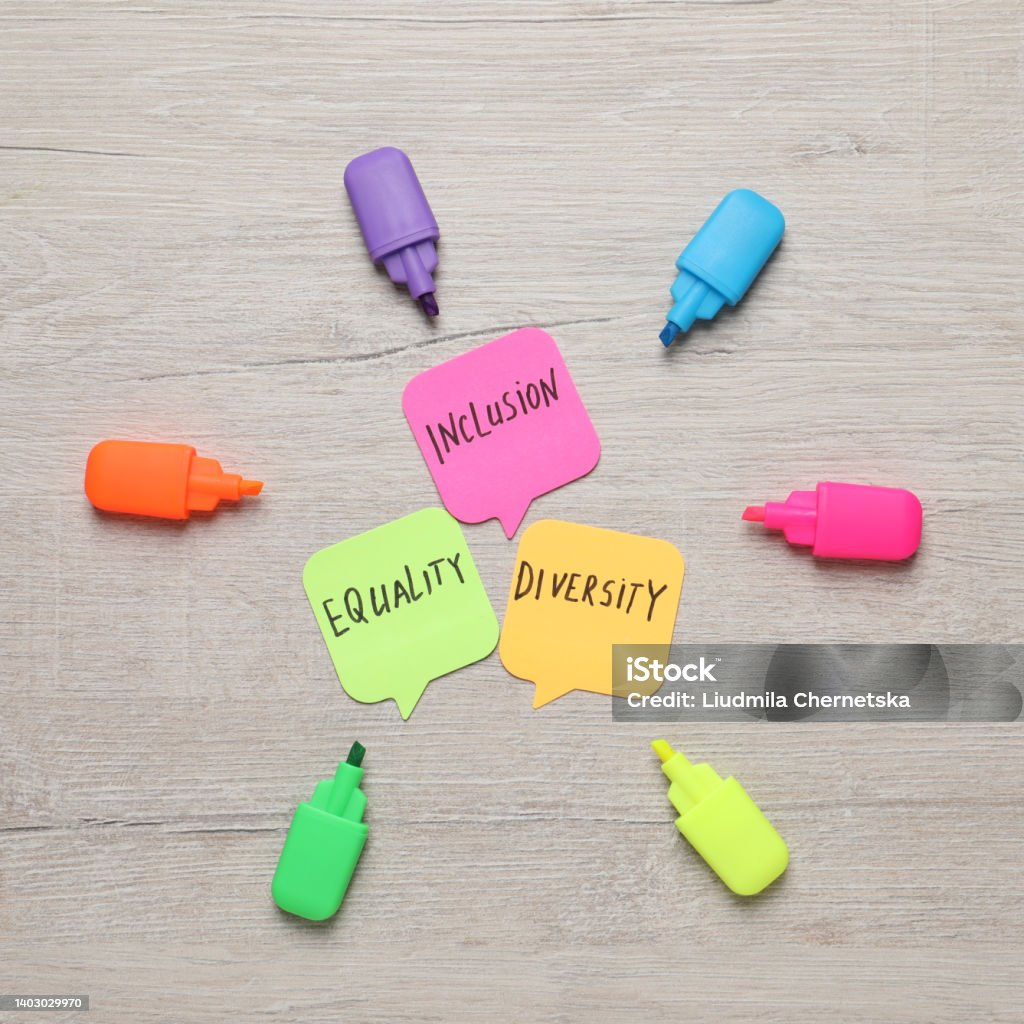
Embracing Inclusivity: The Crucial Importance of Understanding Diverse Sexual Anatomy

In the pursuit of intimate relationships, knowledge is undeniably empowering. Understanding the diverse sexual anatomy of individuals, including those who identify as LGBTQ+ and non-binary, is a fundamental aspect of fostering a healthy, consensual, and satisfying connection. In this article, we delve into the significance of comprehending the diverse spectrum of sexual anatomy, exploring how knowledge contributes to inclusivity, communication, and the overall well-being of individuals in their personal relationships.

  1. Fostering Communication Across Identities:

A foundational pillar of any successful relationship is effective communication. Understanding the diverse sexual anatomy of individuals, including those who identify as LGBTQ+ or non-binary, opens up a channel for open and honest dialogue about desires, preferences, and boundaries (Mark, Janssen, Milhausen, & Clift, 2011). When partners share a mutual understanding of the vast array of sexual identities and expressions, they are better equipped to communicate their needs and ensure a consensual and pleasurable experience for all involved.

  1. Promoting Inclusive Body Positivity:

An understanding of diverse sexual anatomy goes hand in hand with fostering inclusive body positivity. Knowledge dispels myths and misconceptions, allowing individuals of all genders and sexual orientations to appreciate the diversity of human bodies (Herbenick et al., 2015). Embracing the uniqueness of one’s own anatomy and that of a partner, regardless of gender identity or sexual orientation, contributes to a positive self-image and creates an environment where all individuals feel accepted and celebrated.

  1. Enhancing Pleasure and Satisfaction for All:

Sexual satisfaction is closely tied to an understanding of diverse sexual anatomy. Knowledge of erogenous zones, arousal patterns, and the intricacies of sexual response across various identities can significantly enhance the overall pleasure experienced by individuals and their partners (Laan & Both, 2008). A deeper understanding of the diverse body’s responses contributes to a more satisfying and mutually gratifying intimate experience for everyone.

  1. Navigating Inclusive Sexual Health:

Understanding diverse sexual anatomy is integral to maintaining inclusive sexual health. Recognizing signs of discomfort, addressing potential health concerns, and practicing safe sex across all identities are crucial components of a responsible and informed sexual relationship (World Health Organization, 2006). Knowledge empowers individuals of all gender identities and sexual orientations to prioritize their well-being and that of their partners.

  1. Empowering Consent and Boundaries Regardless of Identity:

Informed consent is a cornerstone of ethical and consensual sexual relationships across all identities. Understanding the diverse sexual anatomy of individuals enables clear communication regarding boundaries and preferences, ensuring that all intimate encounters are based on mutual agreement and respect, irrespective of gender identity or sexual orientation (American Psychological Association, 2017). This empowers individuals of all identities to make informed choices about their bodies and actively participate in creating a consensual and enjoyable sexual environment.

  1. Cultivating Emotional Intimacy Across Identities:

Knowledge of diverse sexual anatomy deepens the emotional connection between partners of all identities. Exploring each other’s bodies with awareness and respect, regardless of gender identity or sexual orientation, builds trust and intimacy, creating a shared experience that goes beyond the physical (Markman, Stanley, & Blumberg, 2010). A profound understanding of diverse sexual anatomy fosters emotional closeness and reinforces the connection between partners of all identities.

  1. Educating Future Generations Inclusively:

Understanding diverse sexual anatomy is not only crucial for current relationships but also for educating future generations inclusively. Open conversations about sexual health and anatomy, including discussions that embrace the spectrum of gender identities and sexual orientations, contribute to a culture of informed and responsible sexual behavior, reducing stigma and fostering a healthier approach to sexuality (United Nations Educational, Scientific and Cultural Organization, 2018).

Conclusion:

In the intricate dance of intimacy, knowledge of diverse sexual anatomy emerges as a guiding light, illuminating the path toward healthier, more fulfilling relationships across all gender identities and sexual orientations. From enhancing communication and promoting inclusive body positivity to empowering consent and fostering emotional intimacy, understanding diverse sexual anatomy is a transformative force for individuals of all identities. Embracing this knowledge not only enriches the present but also paves the way for a more informed and empowered future where individuals of all gender identities and sexual orientations navigate their intimate connections with understanding, respect, and joy.